Environmental art
genre of art engaging nature and ecology From Wikipedia, the free encyclopedia

Remove ads
Environmental art is a form of avant-garde contemporary art. It includes different types of artistic practices that involve nature, ecology, and social issues.[1][2]

It has changed over time, moving away from focusing on formal aspects, like using earth for large sculptures, and now explores deeper connections with natural systems, processes, and social concerns.[3]
In recent years, environmental art has gained significant attention and is often featured in exhibitions worldwide. This is because social and cultural aspects of climate change became more noticeable.
The term "environmental art" is often associated with ecological concerns, but it is not limited to them.[4] It primarily celebrates the artist's relationship with nature and often use natural materials.[1][2] It is closely related to historical earth and land art, as well as ecological art. Environmental artists draw inspiration from science and philosophy.
Remove ads
History


Environmental art has roots in the Paleolithic cave paintings of early humans, although landscapes have not been found in these artworks. Artists throughout history have been drawn to nature as a subject for their creative expressions. Landscape painting allowed artists to observe and connect with the environment. John Constable and Monet are artists who closely observed and represented the natural world in their works. In contemporary times, artists like Diane Burko and Alexis Rockman use art to highlight ecological issues such as climate change and human impact on other species. They bring attention to these topics through their depictions of nature and societal interventions.
Remove ads
Gallery
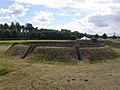 Robert Morris, Observatorium, Netherlands
 Andrea Polli, Particle Falls, 2013
 John Fekner, Toxic, Long Island Expressway, Maspeth, Queens, NY 1982


References
Wikiwand - on
Seamless Wikipedia browsing. On steroids.
Remove ads